
CAUSES OF DEPRESSION
The origins of depression are still largely unknown, but there are several theories. Some experts believe that depression is caused by a combination of genetic factors and environmental influences, while others think it is due to changes in brain chemistry. Stressful life events, such as the death of a loved one, job loss, or divorce, can also increase the risk of depression.
When it comes to treatment, there are various options. Medications, such as antidepressants, can be helpful in managing the symptoms of depression. Psychotherapy is also an effective treatment option and can help a person better understand the causes of their depression and develop coping skills. Exercise, dietary changes, and other lifestyle modifications can also be beneficial in treating depression.

Symptoms of Depression
Depression can manifest in various ways and can vary in severity. Here are some common symptoms of depression:
– Persistent feelings of sadness, emptiness, or hopelessness
– Loss of interest or pleasure in activities that were once enjoyable
– Changes in appetite, weight, and sleep patterns
– Fatigue or loss of energy
– Difficulty concentrating, making decisions, or remembering things
– Feelings of worthlessness, guilt, or self-blame
– Recurrent thoughts of death or suicide
– Anxiety or irritability
– Physical symptoms such as headaches, stomach problems, or other pains
– Social withdrawal or isolation
– Difficulty functioning at work, school, or in daily life
– Increased use of drugs or alcohol
It is important to note that not everyone experiences all of these symptoms, and the severity and duration of symptoms can vary. If you or someone you know is experiencing symptoms of depression, it is important to seek professional help from a doctor or mental health specialist.
TREATMENT
Depression is a treatable mental illness, and there are several effective treatments available. Here are some common treatment options for depression:
– **Psychotherapy:** Also known as talk therapy, psychotherapy can help people with depression identify negative thought patterns and develop coping skills to manage their symptoms. Common types of therapy for depression include cognitive-behavioral therapy (CBT) and interpersonal therapy (IPT).
– **Medications:** Antidepressants can help balance the chemicals in the brain that affect mood. Common types of antidepressants include selective serotonin reuptake inhibitors (SSRIs) and serotonin-norepinephrine reuptake inhibitors (SNRIs). It is important to note that medications should always be prescribed and monitored by a doctor.
– **Lifestyle Changes:** Lifestyle changes such as regular exercise, a healthy diet, and sufficient sleep can help improve mood and reduce symptoms of depression.
– **Support Groups:** Support groups can provide a sense of community and belonging for people with depression and can help reduce feelings of isolation and loneliness.
– **Self-Care:** Engaging in self-care activities such as mindfulness meditation, journaling, or creative expression can also help reduce symptoms of depression.
It is important to work with a healthcare professional to determine the best treatment plan for your specific needs. Depression is a serious illness, and seeking professional help is an important step toward recovery.

It is important to seek professional help if you or someone you know is experiencing symptoms of depression. Depression can significantly impact a person’s quality of life, but with the right treatment and support, recovery is possible.
Depression is a common mental illness that affects millions of people worldwide. Here are some statistics about depression:
– According to the World Health Organization (WHO), more than 264 million people globally suffer from depression.
– Depression is more common in women than in men, with approximately 4.5 percent of men and 5.2 percent of women experiencing a major depressive episode in the past year.
– Depression can affect people of all ages, but it is most commonly diagnosed in adults aged 18 to 25 years.
– Depression is a leading cause of disability worldwide and is responsible for more years lost due to disability than any other mental or behavioral disorder.
– Depression is often comorbid with other mental and physical conditions, such as anxiety, substance abuse, and chronic pain.
– Depression is treatable, but less than half of those affected receive treatment.
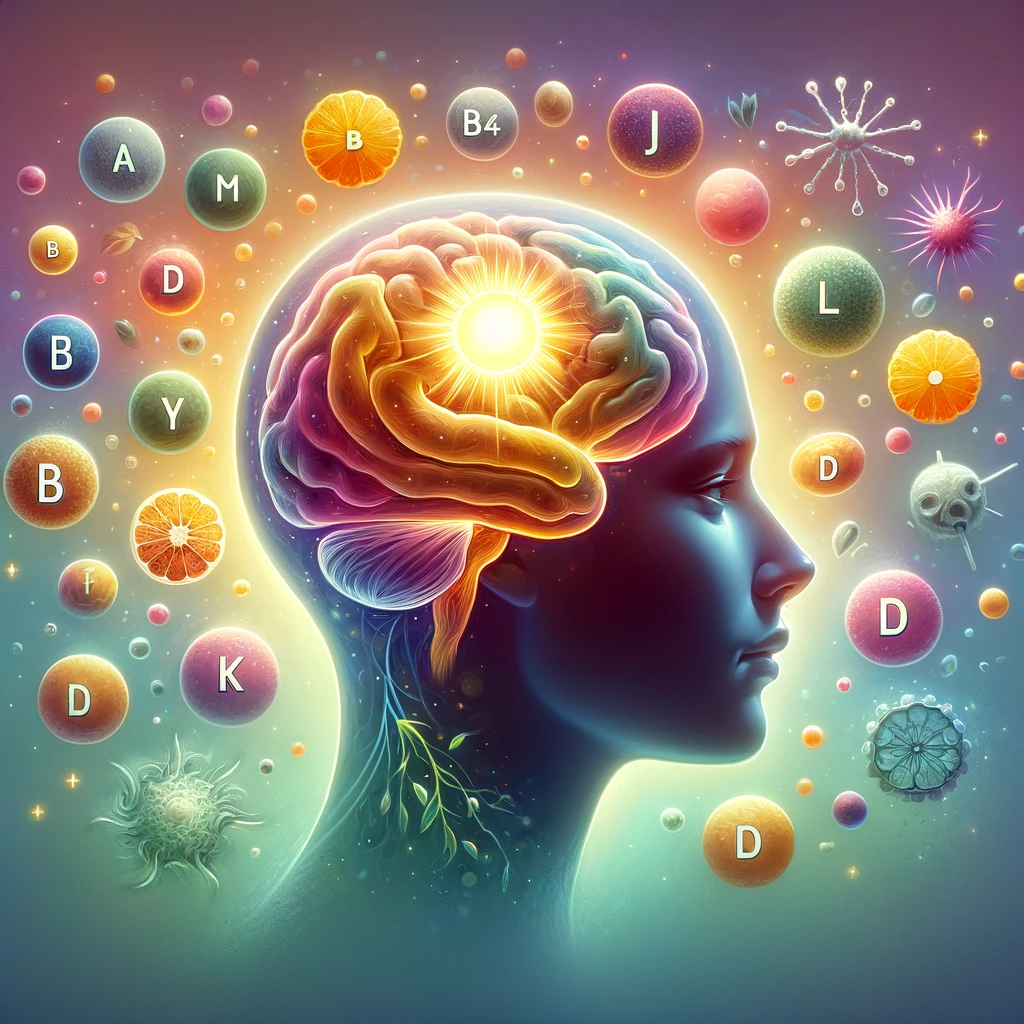
The relationship between vitamins B and D and depression is complex and has been the subject of various studies. Both of these vitamins play important roles in brain health, and deficiencies in them have been linked to increased risks of depression. However, it’s important to understand that while deficiencies can have a negative impact on mental health, this doesn’t mean that the vitamins themselves cause depression. Instead, insufficient levels can contribute to the development or worsening of depressive symptoms.
Books about depression
Here are ten highly recommended books for managing and healing depression:
1. **”Feeling Good: The New Mood Therapy” by Dr. David Burns** – Focuses on cognitive-behavioral therapy techniques.
2. **”The Noonday Demon: An Atlas of Depression” by Andrew Solomon** – A comprehensive exploration of depression.
3. **”Lost Connections: Uncovering the Real Causes of Depression – and the Unexpected Solutions” by Johann Hari** – Examines societal and environmental factors.
4. **”Hardwiring Happiness: The New Brain Science of Contentment, Calm, and Confidence” by Rick Hanson** – Guides on rewiring the brain for positivity.
5. **”The Depression Cure: The 6-Step Program to Beat Depression without Drugs” by Dr. Stephen Ilardi** – Offers a natural approach.
6. **”Reasons to Stay Alive” by Matt Haig** – A personal memoir offering hope and insights.
7. **”The Mindful Way through Depression” by Mark Williams, John Teasdale, Zindel Segal, and Jon Kabat-Zinn** – Combines mindfulness techniques with cognitive therapy.
8. **”Darkness Visible: A Memoir of Madness” by William Styron** – A powerful personal narrative.
9. **”The Upward Spiral: Using Neuroscience to Reverse the Course of Depression, One Small Change at a Time” by Alex Korb** – Utilizes neuroscience for incremental improvements.
10. **”Depression: The Mood Disease” by Dr. Francis Mark Mondimore** – Offers a medical perspective on depression.
These books provide various perspectives and strategies for understanding and managing depression, from cognitive-behavioral techniques to mindfulness and personal memoirs.